-By Kim Parnell-
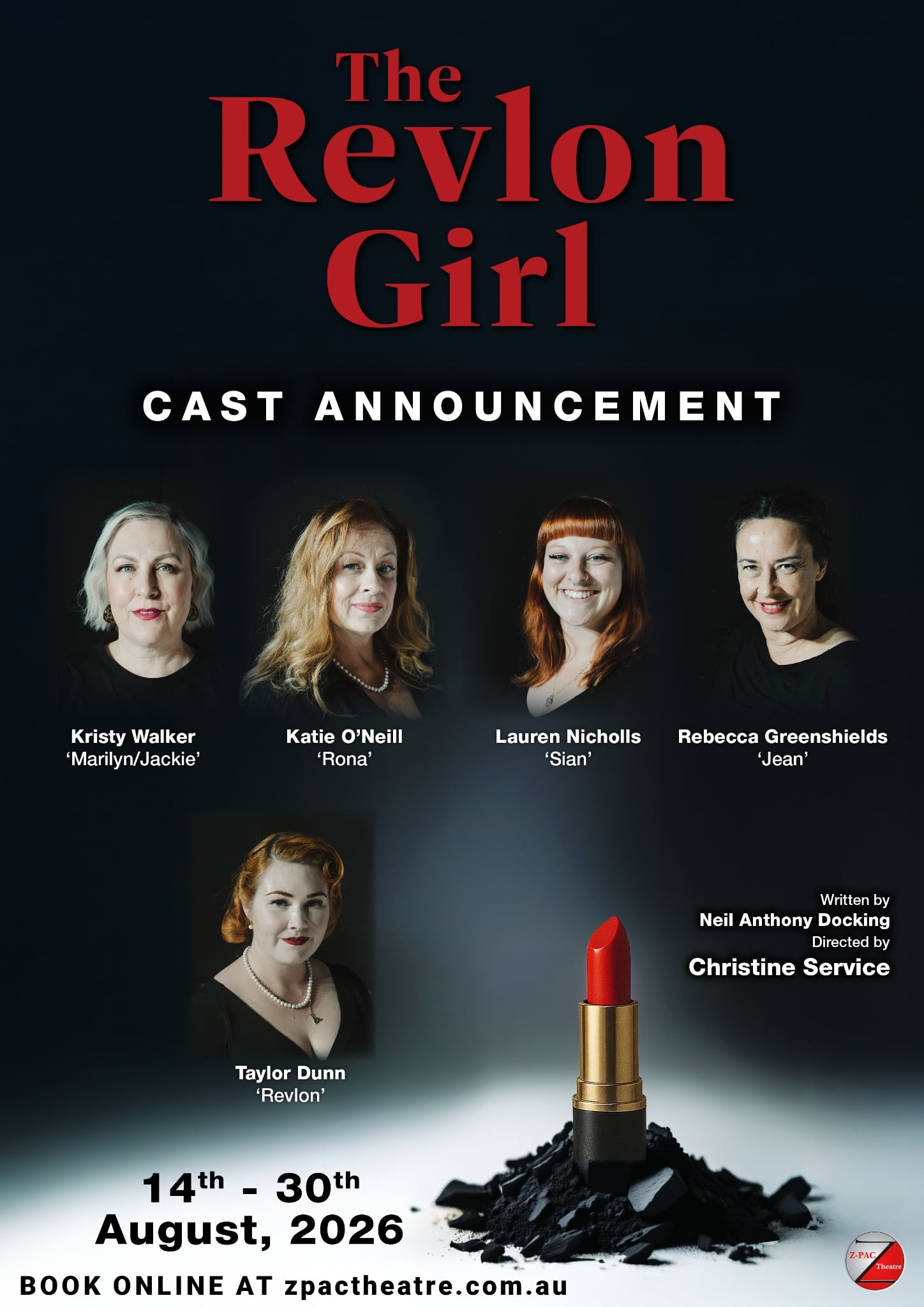
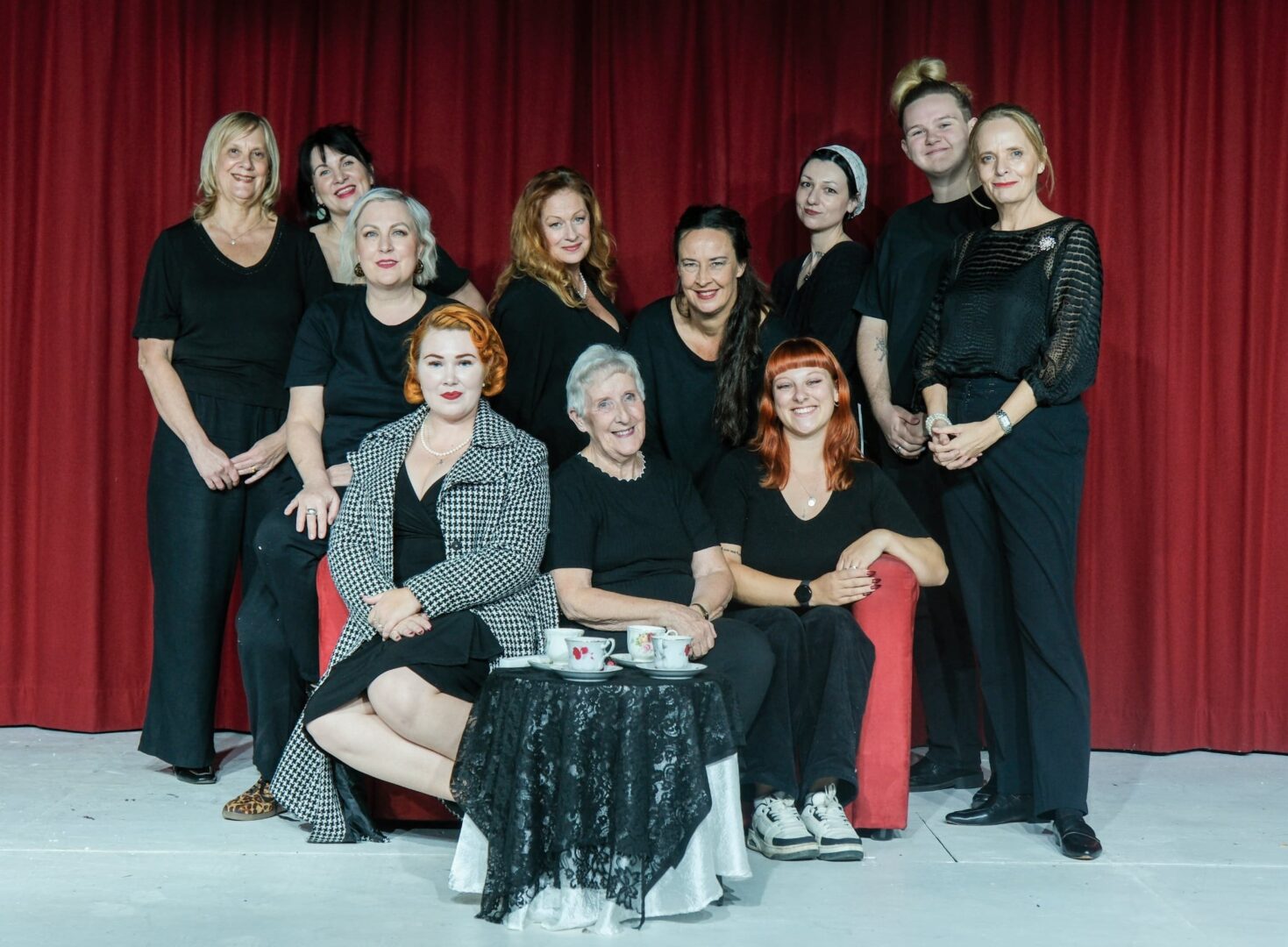
A powerful and moving play based on true events is coming to Z-PAC Theatre, Scarness, from August 14 to 30.
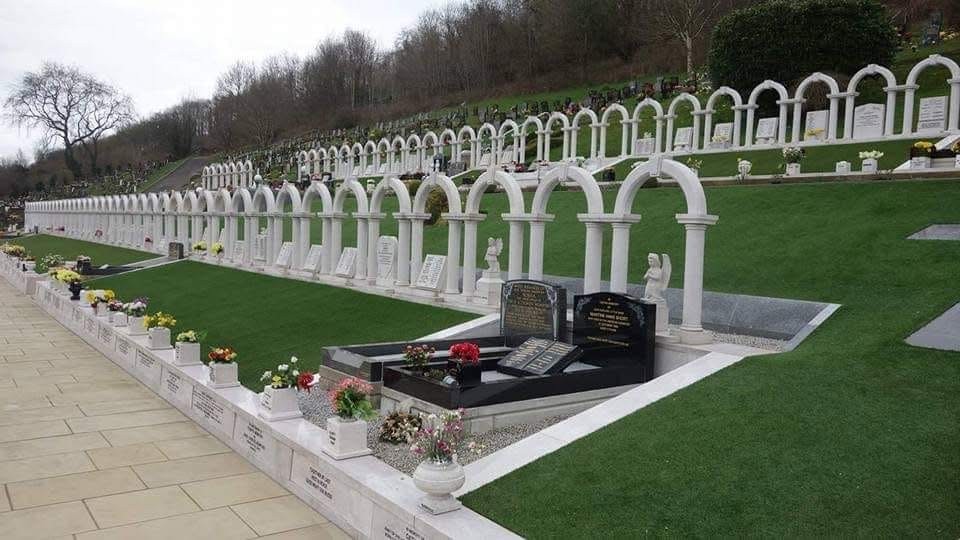
The Revlon Girl, written by Neil Anthony Docking and directed by local Christine Service, is set eight months after the Aberfan Disaster, which devastated the Welsh village of Aberfan on October 21, 1966. When a coal spoil tip collapsed onto Pantglas Junior School and surrounding homes, 116 children and 28 adults lost their lives.
Against this backdrop of unimaginable grief, the play follows a group of bereaved mothers who meet each week to support one another through their loss. Then one evening, a Revlon girl arrives with lipstick, beauty tips and the opportunity for the women to feel human again.
Christine first discovered the play two years ago.
“The title intrigued me,” she says. “I started researching Aberfan, bought a script and couldn’t put it down. Historical fiction fascinates me. How do ordinary people cope with extraordinary events? I’m always interested in the human condition and how communities come together during tragedy.”
While researching the production, Christine met local resident Catherine Wicks, who has a deeply personal connection to the disaster.
Catherine’s mother was born in Aberfan. In 1963 Catherine attended Pantglas school before her family moved to Germany with her father’s regiment. In 1965 the family returned to the village when her grandmother passed away. Catherine again attended Pantglas Junior School before moving to a grammar school five miles away after passing her 11-plus examination.
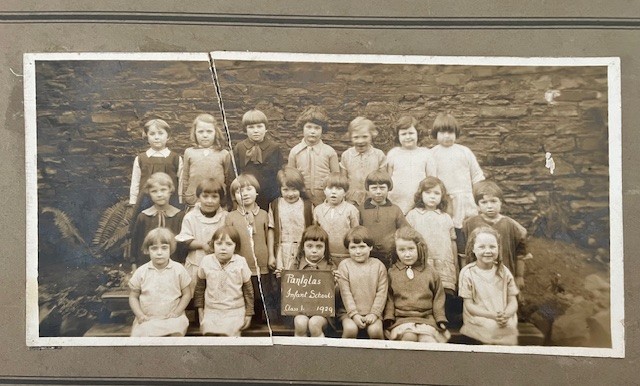
She was 12 years old when disaster struck.
“It was the last day before half-term,” Catherine recalls. “We heard an endless procession of ambulances, fire engines and police cars. For a place like that, it was unheard of.”
At around 10.30am, students from Aberfan and neighbouring Merthyr Vale were called to an assembly.
“We were told there’d been an accident at Pantglas Junior School and a wall had fallen on some children. At that stage nobody really knew what had happened.”
Catherine and her classmates boarded the train home.
“As we came around a bend, we could see Aberfan. Where there had been a green mountain that morning was now a black mess we couldn’t comprehend.”
When she arrived back in the village, confusion quickly gave way to horror.
“When we got off the train and got closer to the village, we were walking in ankle deep muddy black water. As I got near to the street leading up to the school, it got dirtier and dirtier. Then I could hear voices. Men were digging with their hands and shovels. I found out later that they were desperately trying to reach the children who were still buried. But at that stage I still didn’t fully understand what had happened.”
At home, Catherine’s mother already knew something terrible had happened.
“We still didn’t know the enormity of it, but in a village like that news travels fast. Then we started realising just how terrible it was.”
Through the night, rescue workers continued searching under floodlights.
“Instead of the quiet village we were used to, there were generators, lights and people working everywhere. Time was of the essence because many of the children had been suffocated by the coal slurry.”
Some survived after becoming trapped in air pockets beneath desks and debris, but for many there was no escape.
Catherine lost her eight-year-old cousin Susannah in the tragedy.
“I also lost Norma; a friend I always called my cousin. Her parents were devastated. They eventually left the village because they couldn’t bear to stay there.”
Her brother joined the rescue effort.
“He never really talked about it afterwards. I think he was just so affected by what he’d seen.”
Like many small communities, Aberfan was close-knit.
“We all lived in terraced houses. Everybody knew everybody. You walked to school together, saw each other every day, and the mothers would be chatting on their doorsteps. Everybody was affected.”
Looking back now, Catherine understands the lasting impact the disaster had on survivors.
“There was no psychological help in those days. Emergency workers and everyday people were carrying bodies out. That was incredibly confronting.”
Many survivors carried physical injuries, while others lived with emotional scars for decades.
“Generally, it was the trauma that stayed with people, although some of the survivors went on to do wonderful things with their lives.”
This year marks 60 years since the tragedy, and Catherine hopes people remember not only the loss but also the strength of the community.
“I’d like people to remember the children, the families and the community of Aberfan. Those lives were lost and didn’t need to be, but it also showed how people rally around and support one another. People from all over the world cared about Aberfan. It was a small village and losing 116 children was something almost impossible to comprehend.”
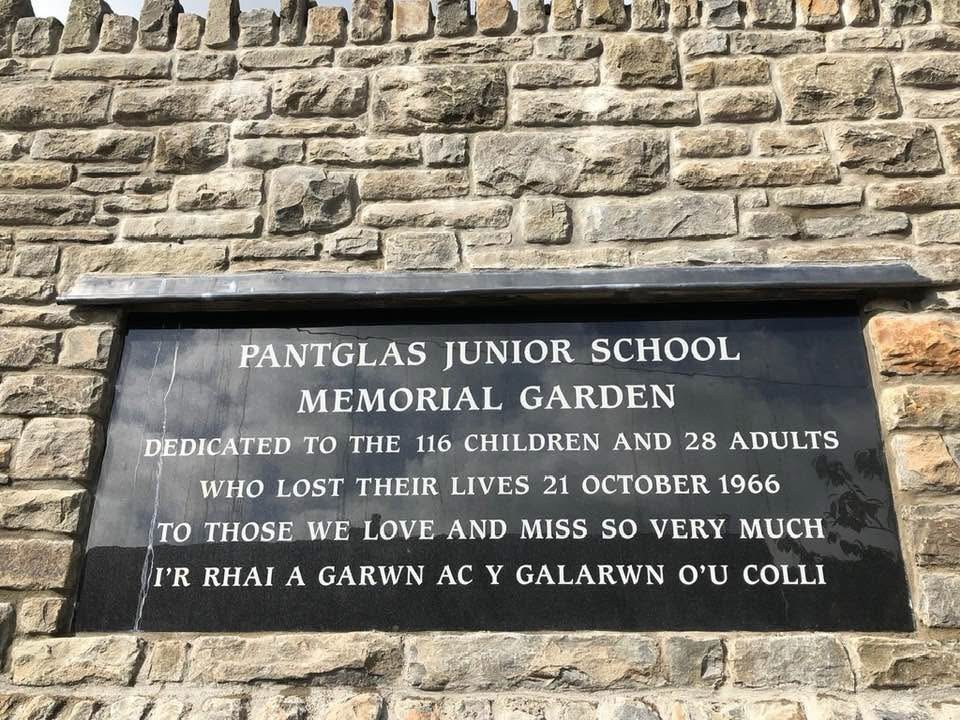
The disaster ultimately led to widespread changes across Wales, with coal spoil tips gradually removed to prevent a similar tragedy from occurring again.
Today, Catherine lives in Nikenbah with her husband and will celebrate her 72nd birthday in July. She admits that only in recent years has she fully understood the trauma she experienced.
“I never really realised it was a trauma until later in life. At the time it was simply something we lived through. Looking back now, I realise it was an awful thing to experience. In the beginning you don’t fully understand what’s happened, and then as the days go by you realise you’ve lost friends, cousins and neighbours.”
Catherine is grateful that Christine and the Z-PAC team are bringing this story to local audiences.
“I asked Christine how someone in Hervey Bay found a play about Aberfan. She’s done so much research and has become incredibly invested in it. It’s not just another play. She’s really worked to understand the trauma behind it.”
For Catherine, that understanding is important.
“This year it will be 60 years since the tragedy. I’ve lived all that time, but those children never had the chance. You do wonder what they would have become and what they might have achieved.”
The Revlon Girl
August 14–30
Z-PAC Theatre, Scarness
Tickets: www.zpactheatre.com.au