-Words by: Isabel Taylor, BSc (Hons), Senior Naturalist, Pacific Whale Foundation Eco-Adventures Australia, Urangan-
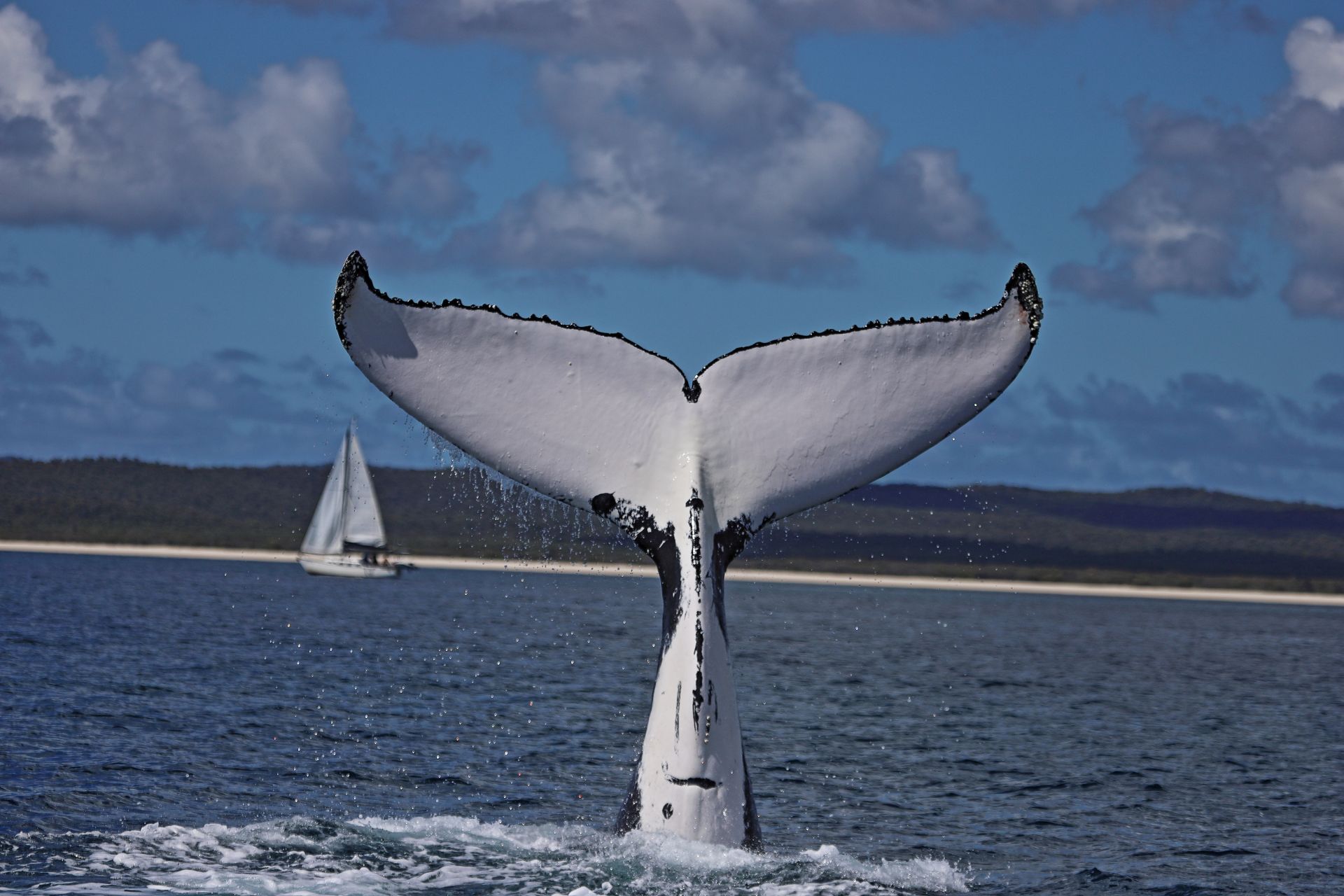
July marks the beginning of whale season in Hervey Bay, one of the most extraordinary natural spectacles on our doorstep. Likely the best whale-watching destination in the world, Hervey Bay’s recognition as a World Whale Heritage Area carries an important responsibility to maintain this status.
Each year, for about 3.5 months, we witness the recovery of a humpback whale population brought to the brink of extinction in the early 1960s. Today, their return represents one of nature’s greatest conservation success stories, with as many as 50,000 whales migrating along eastern Australia.
Hervey Bay is unique because it is not a birthing ground, but an important ecological stopover along their 10,000 km round trip, where new mothers provide maternal care to calves before continuing south to the Southern Ocean to feed. Queensland’s warm waters give calves, born without blubber stores, the best chance of survival and help them avoid orcas, which prey on young whales. Hervey Bay’s sheltered hypersaline waters also provide an ideal environment for calves to practise acrobatic and breath-holding skills.
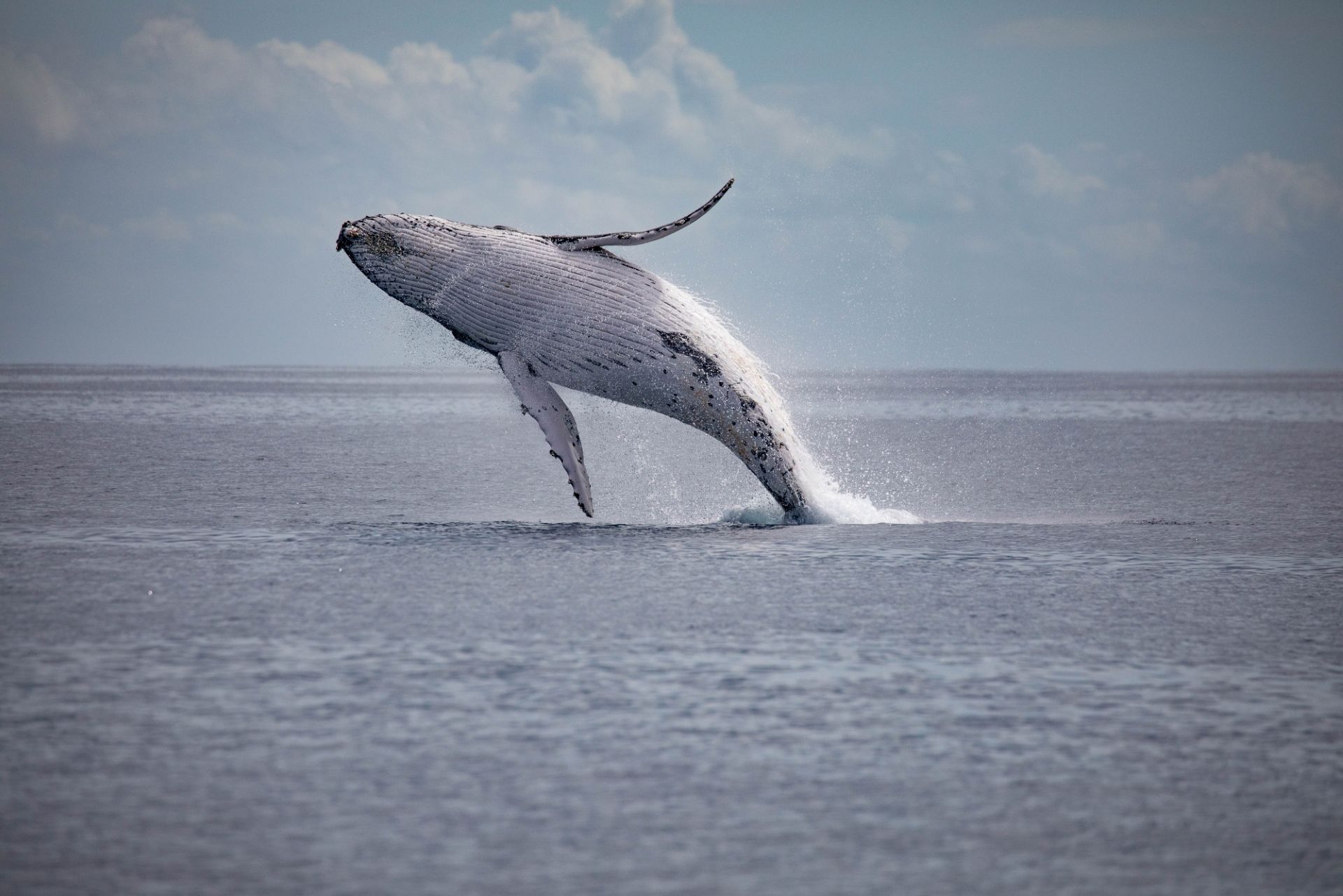
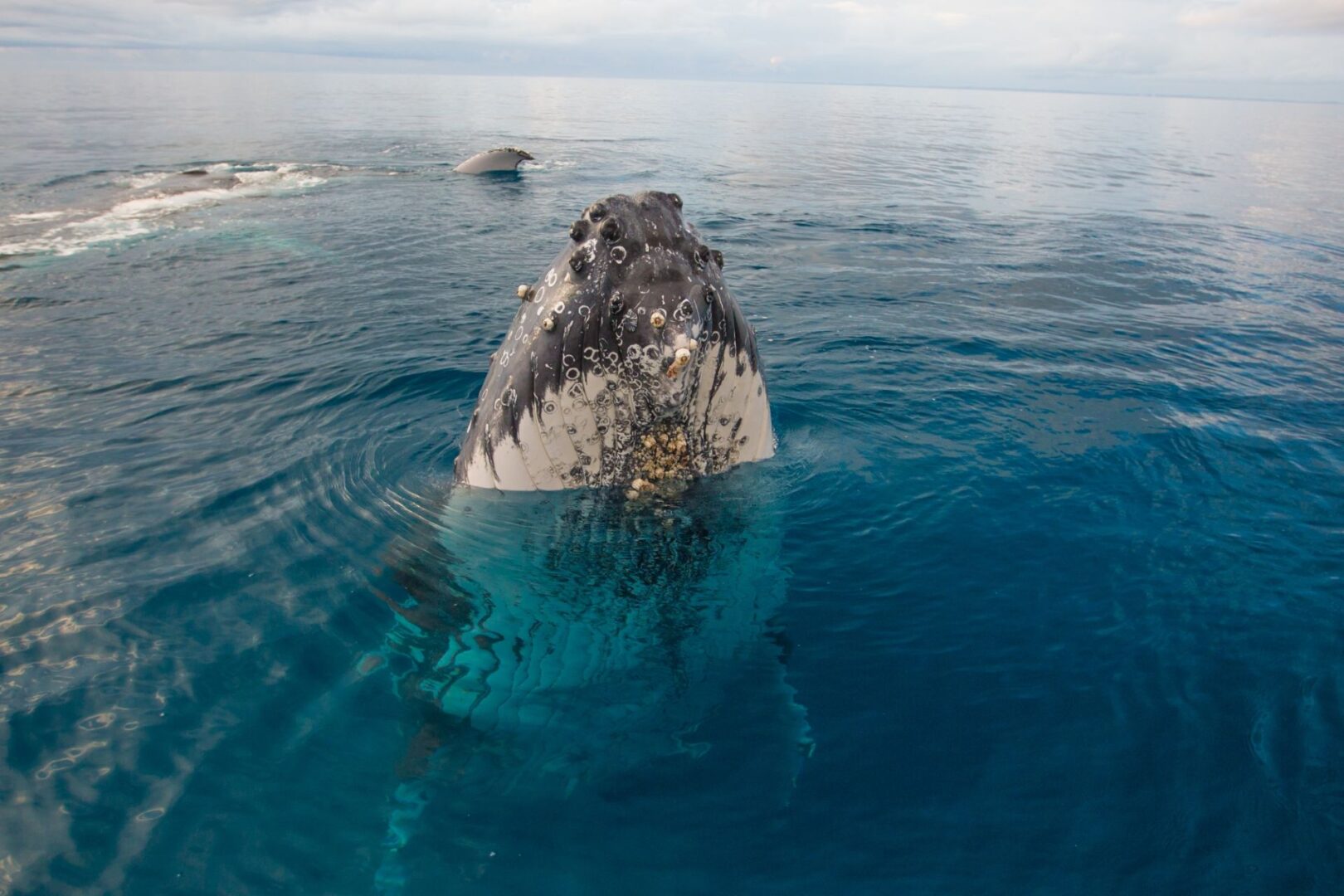
From July to August, we encounter juveniles or sexually immature whales practising migration. These curious “teenagers” frequently approach boats and display ‘mugging’ behaviour, often guided into the bay by mature females that may have conceived further north in the Great Barrier Reef.
From late August through October, mature males may follow mothers and calves into the bay for a final opportunity to mate. As many as 20 males can engage in powerful chasing behaviour, competing for the position of primary escort beside a female, who ultimately decides the winner. Guests may even hear mature males singing through the hull or via our onboard hydrophone.
Our intimate, expertly guided tours are led by experienced naturalists and qualified marine scientists. Guests learn about whale biology, our organisation’s 40-year research legacy, and how we can help keep whales safe. All proceeds support Pacific Whale Foundation’s research, education and conservation outreach programs.
To find out more, head to www.pacificwhale.com.au.